
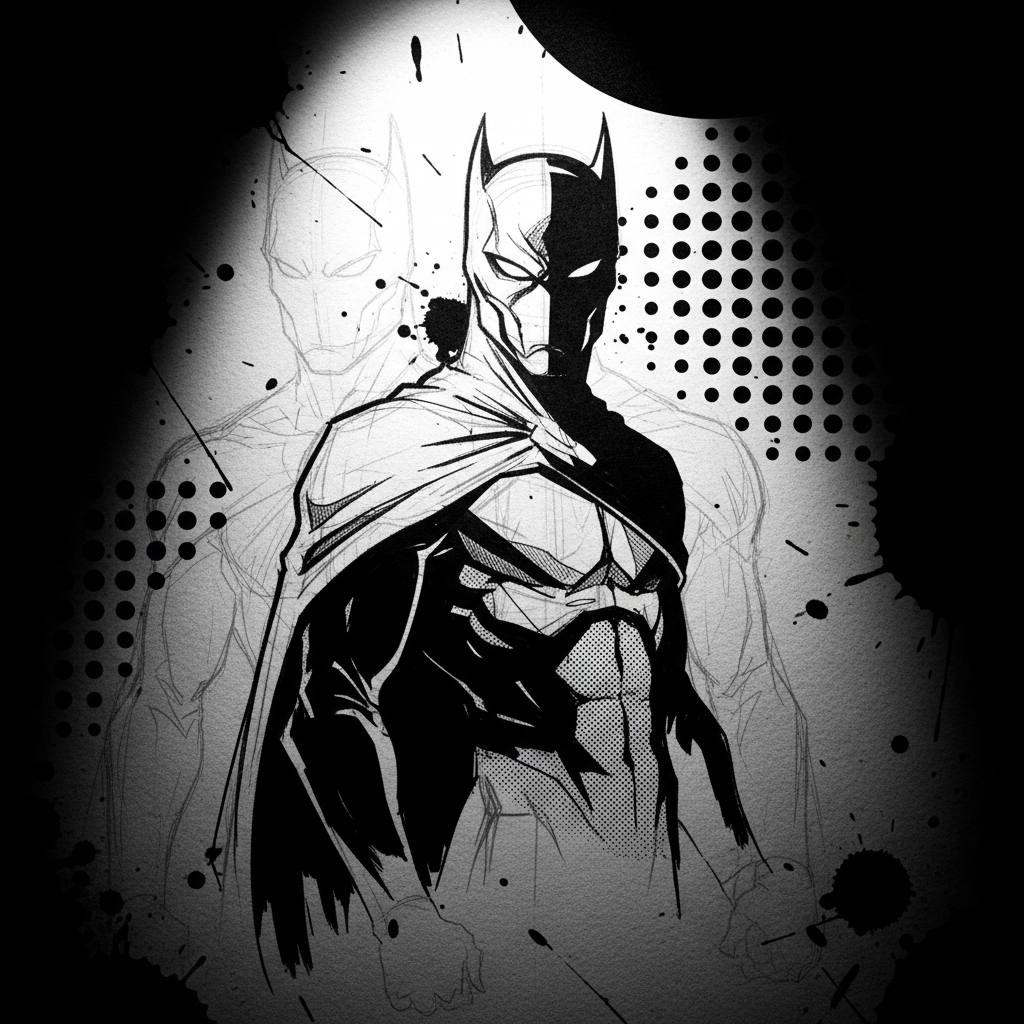
Appearance and Physical Evolution Traps
The Paradox of the Frozen Appearance
Should a character change physically throughout the story? While we often think about psychological evolution, physical appearance is just as crucial. A character who doesn't age, get injured, or change their clothing style can seem unrealistic, especially if the plot spans a long period. It's essential to consider how time, hardships, and experiences mark your hero.
Inconsistency in Visual Descriptions
Visual descriptions must be precise and consistent. If a character is described with blue eyes in one scene and green eyes in another, without explanation, the reader will lose trust. Similarly, clothes that change color or shape without apparent reason harm credibility. Visual consistency strengthens the character's identity and facilitates the creation of a convincing comic book.
Unjustified Physical Evolution
Conversely, drastic and sudden physical changes without narrative justification can be just as problematic. A radical transformation must be rooted in the story: an illness, an accident, a magical metamorphosis, or intensive training. Without it, the reader may feel bewildered, even betrayed by the lack of logic.
💡 Simplify Your Character Creation
Don't let inconsistencies sabotage your characters anymore. Discover how our platform helps you maintain perfect consistency, from idea to final panel.
Discover Bulle.aiPersonality and Behavior Traps
To ensure the depth of your characters, it's crucial to navigate the intricacies of their psyche with care. Here are the key steps to building a consistent personality and credible behavior.
- Define a solid core psychology: identify fundamental character traits, deep motivations, and values that drive your character.
- Establish predictable reactions to situations: how would your character typically react to joy, fear, anger, or sadness?
- Manage internal contradictions: complex characters have inner conflicts. Ensure they are explored and resolved logically throughout the story.
- Maintain a consistent course of action: even when facing adversity, the character's actions should align with their established personality.
- Avoid abrupt and unexplained personality changes: any major evolution must be the result of significant events in the narrative.
- Dialogue consistency: the way a character speaks should reflect their upbringing, social background, and emotional state.
- Integrate past experiences: memories and traumas should influence present decisions and reactions.
- Adapt behavior to context: a character may act differently depending on whether they are in public, in private, or under pressure.
🚀 Accelerate Your Creative Workflow
Spend less time fixing errors and more time creating. Our tool is designed to optimize every step of your comic production.
Try the ToolStory and Interpersonal Relationship Traps
Inconsistency in Background and Past
A character's past forms the foundation of their identity. If elements of their origin story are contradictory or change without good reason throughout the narrative, it creates dissonance. The reader may wonder which information is reliable. It is therefore essential to solidify the background and stick to it, or clearly explain any revisions.
This narrative stability is particularly important when you want to create a comic book that spans multiple volumes or episodes. A character whose personal history fluctuates will quickly lose credibility.
Fluctuating Interpersonal Relationships
The bonds between characters must evolve organically. A sudden, inexplicable friendship, a rivalry that disappears without explanation, or love that appears out of nowhere can weaken the narrative. Relationships should reflect personalities and shared experiences.
Each interaction must logically stem from the established characteristics of the protagonists and their shared history. This relational consistency enhances the reader's immersion in your narrative universe.
Lack of Connection Between Character and Plot
A character, even if well-developed, can fail if they are not intrinsically linked to the main plot. Their motivations should drive the story forward, and their actions must have significant consequences on the unfolding events.
A character who seems to exist on the fringes of the main story loses impact and relevance. To create a captivating comic book, each protagonist must serve the narrative as much as the narrative serves them.
✨ Bring Unforgettable Heroes to Life
Create characters so realistic and captivating that they will leave a lasting impression on your readers. Your next masterpiece begins here.
Start Your ProjectConclusion
Creating consistent comic book characters is an art that requires vigilance and method. By avoiding the pitfalls of appearance, personality, behavior, backstory, and relationships, you lay the foundation for captivating works. Remember that well-built characters are the beating heart of any successful narrative. To assist you in this creative process and help you overcome these challenges, innovative tools exist. Explore how a dedicated platform can simplify your workflow and bring your most ambitious ideas to life, from conception to publication, to create a unique and memorable comic book.